Alzheimer’s Research: What’s New (2018–2025)
Summary
The prospect of developing Alzheimer’s (a majority component of Dementia which covers all brain diseases) is like foreseeing a slow execution. This blog explains the work that has been done in the last seven years and it looks promising. The latest development is a trial by Caladrix, particularly with their focus on neuro regeneration .
Many traditional Alzheimer’s treatments aim to clear out the bad stuff (like amyloid plaques). Caladrix is taking a different, equally vital approach: trying to repair the damage that has already occurred and restore lost brain function, using a pill taken orally. Sufferers might become their old selves again by taking a pill at home! However it is still early days.
Below is an interesting video with Brian Cox asking the questions:
What is Alzheimer’s
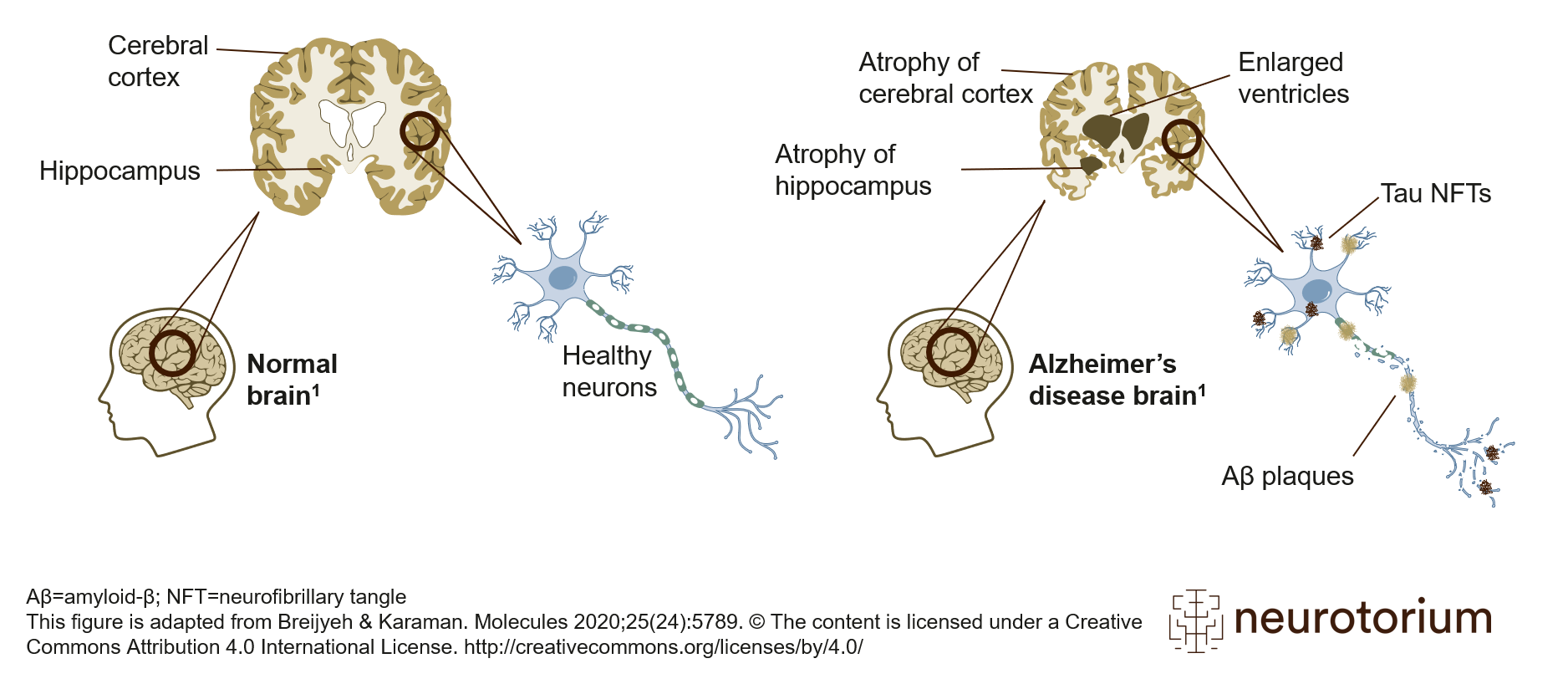
If you or someone you care for is concerned about memory loss, you may wonder whether Alzheimer’s disease (AD) can be prevented, slowed, or even someday cured.
Over the last few years, research has made surprising strides. Not a cure yet, but a clearer direction, new treatments, and the possibility that Alzheimer’s may become a medically manageable condition rather than a hopeless diagnosis.
Here’s a plain English overview of what’s changed and what it could mean for the future.
How Research Has Advanced: Key Milestones
| Period | What Happened | Why It’s Important |
|---|---|---|
| 2018–2020 | Scientists developed blood-based tests (biomarkers) that can detect Alzheimer’s related changes years before symptoms show. | This makes early detection more realistic, like catching the problem before symptoms appear, giving treatments a better chance. |
| 2021–2022 | The first “disease modifying” drugs appeared. A drug called Aducanumab was approved. Not perfect, but it proved reducing brain amyloid could change the course of disease. | For the first time, Alzheimer’s treatment looked beyond just easing memory loss; it targeted the disease itself. |
| 2022 | A stronger drug, Lecanemab, showed it could slow memory decline in early Alzheimer’s. | Gave genuine hope: Alzheimer’s progression might be slowed, not just managed. |
| 2023–2024 | More research broadened what we understand about AD: not just “amyloid,” but proteins like tau, inflammation, energy metabolism, blood vessel health. | This opened up many new ways to intervene. More “shots on goal,” not just one. Also, blood tests became more accurate. |
| 2025 | A second antibody drug, Donanemab, was approved in countries including Australia for early Alzheimer’s cases. ABC+2ukdri.ac.uk+2 | More treatment options, meaning some patients may benefit sooner. |
| Late 2025 | A completely different kind of treatment is on the horizon: a pill from a biotech company called Caladrix, named C-001, which aims to boost the brain’s natural “clean-up system.” | If successful, this could be the first easy to take, widely accessible Alzheimer’s therapy. A real game changer. |
What Does This Mean for Patients & Families
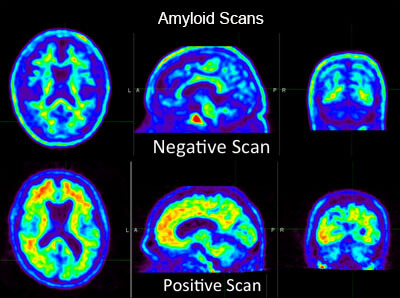
- Early detection is more possible now. Blood tests and improved brain imaging mean Alzheimer’s-related changes might be found before noticeable memory loss, giving the best chance for treatment to work.
- We now have therapies that alter disease biology. Until recently, treatments only helped manage symptoms. Drugs like Lecanemab and Donanemab actually remove toxic proteins and slow decline. ABC+1
- Future treatments could be simpler and more accessible. If a pill based therapy like C-001 succeeds, it could be taken at home, without infusions or frequent scans, making treatment far easier for many people.
- It’s not ‘all or nothing’: lifestyle still matters. Even as drug options improve, good brain health practices, healthy diet, exercise, sleep, social connection remain powerful tools to reduce risk or delay onset.
What’s Still Uncertain
- Many of the newest therapies work best in early stages when brain changes are just beginning. That means timely diagnosis is critical.
- Some treatments carry risks and side effects. For example, antibody drugs sometimes cause brain swelling or bleeding, so they require careful monitoring. Alzheimer’s Research UK+1
- New pill based or “clean up boosting” approaches are still unproven in large human trials. They represent hope but more data are needed.
- Alzheimer’s is complex. What works for one person may not work for another. That’s why researchers are exploring many different strategies (proteins, inflammation, metabolism, blood vessels, etc.).
The Bottom Line: Why 2025 Feels Like a Turning Point
Just a few years ago, Alzheimer’s felt almost untouchable — a disease you could manage, but not change.
Today:
- We have the first drugs that alter disease biology.
- Better, easier tests for early detection.
- New therapies in the pipeline, including the possibility of an easy pill.
- A much broader research effort: many parallel paths, more chances for breakthroughs.
For individuals and families, that means hope. Not a guarantee. But real, growing potential for Alzheimer’s to become treatable, controllable, and maybe one day, preventable.
That shift makes 2025 a turning point: we may be on the cusp of seeing Alzheimer’s move from “inevitable decline” toward “manageable condition.”
3 Responses
Interesting: thanks!
Thanks Campbell. At least it provides a glimmer of hope providing the symptoms are recognised earlier enough. Thank you for the information.
Always good to hear from you, Michael